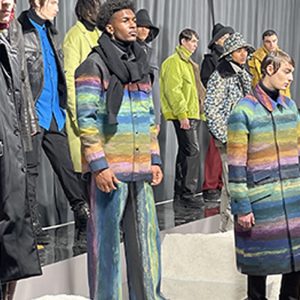





Modest fashion has long been part of the global fashion conversation, even when it has been missing from its most visible runways. At New York Fashion Week, Modest Now offered a pointed response: a platform for international designers whose work deserves to be seen as fashion first, with all the scrutiny and opportunity that entails.
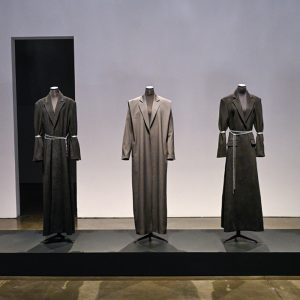
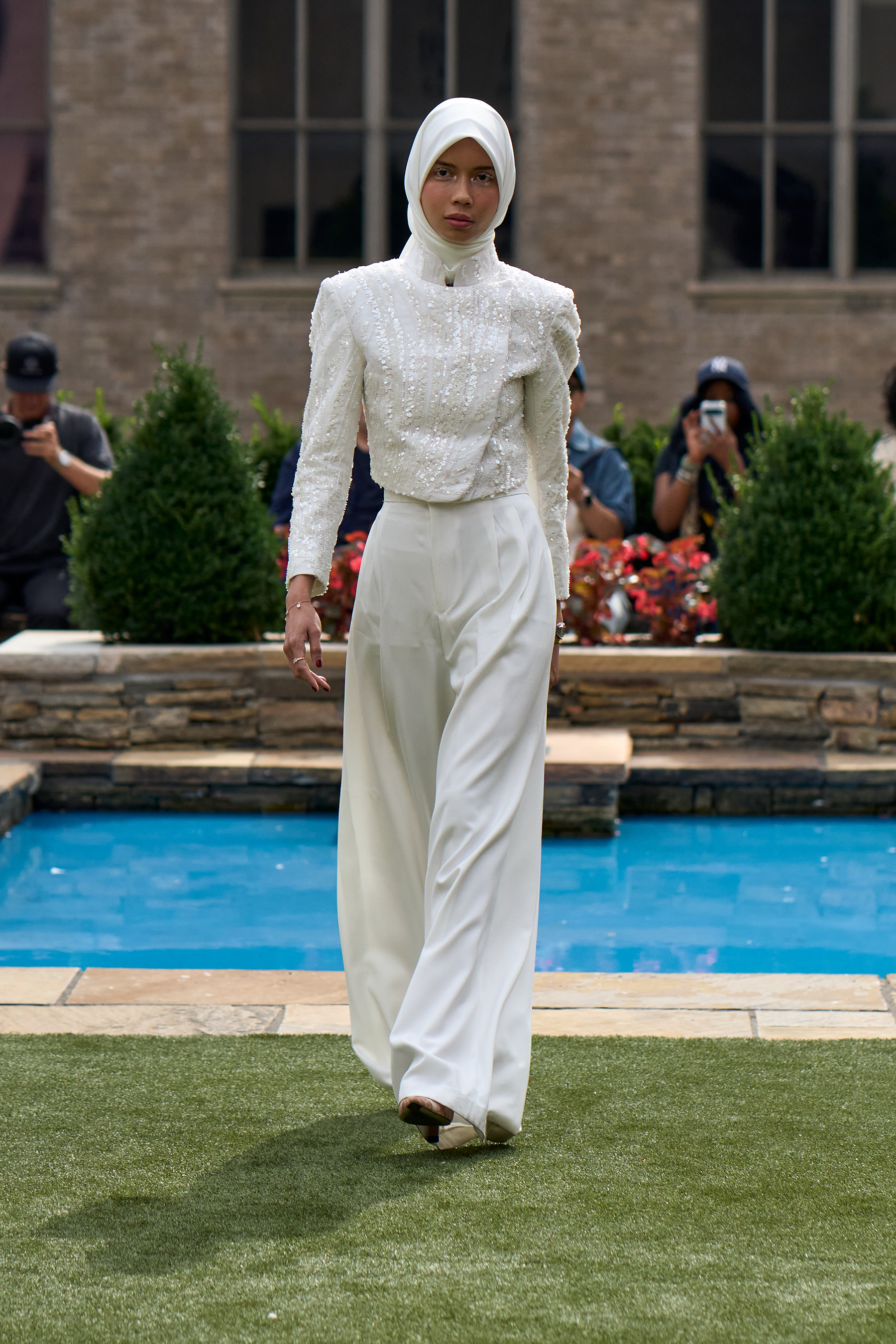
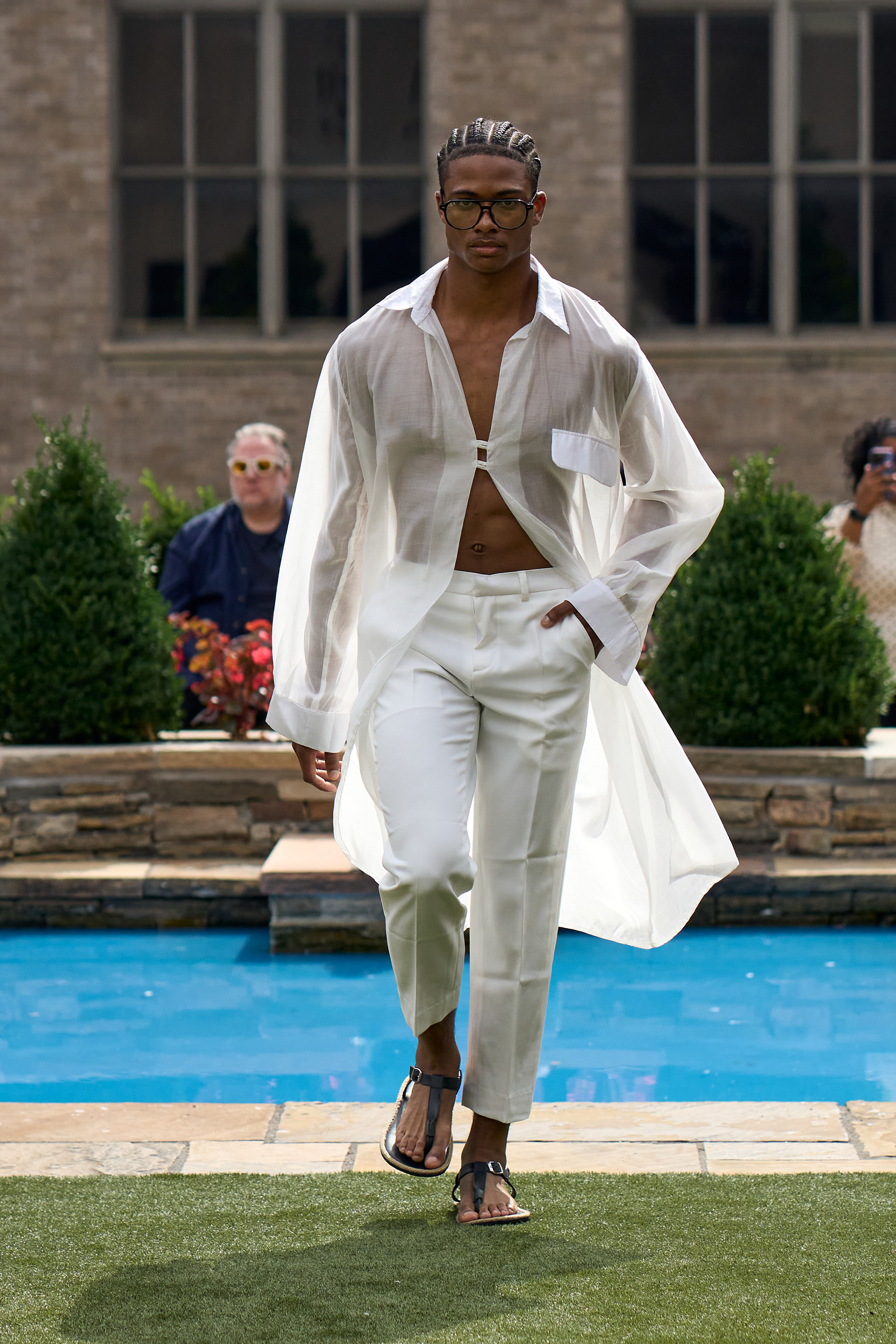
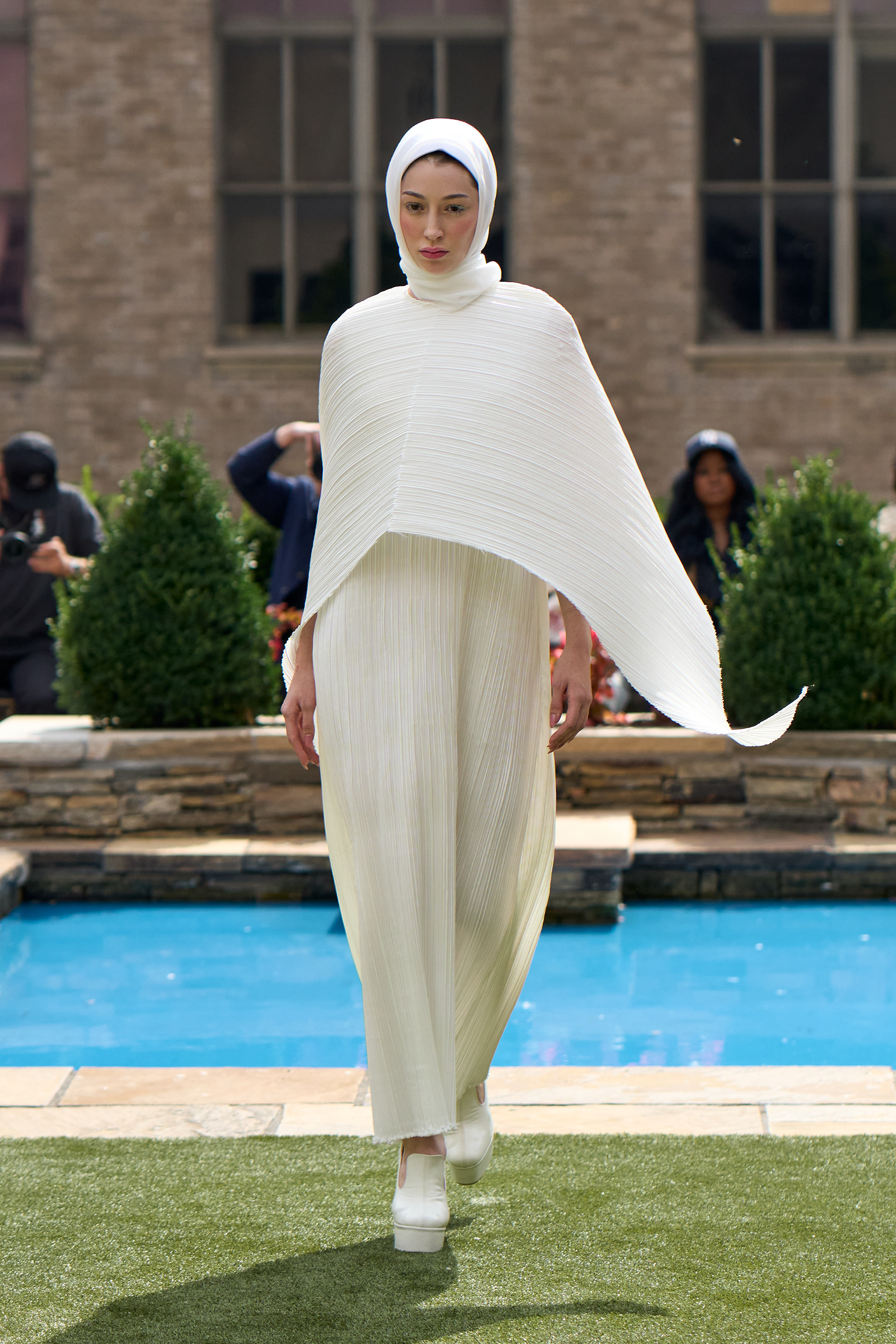
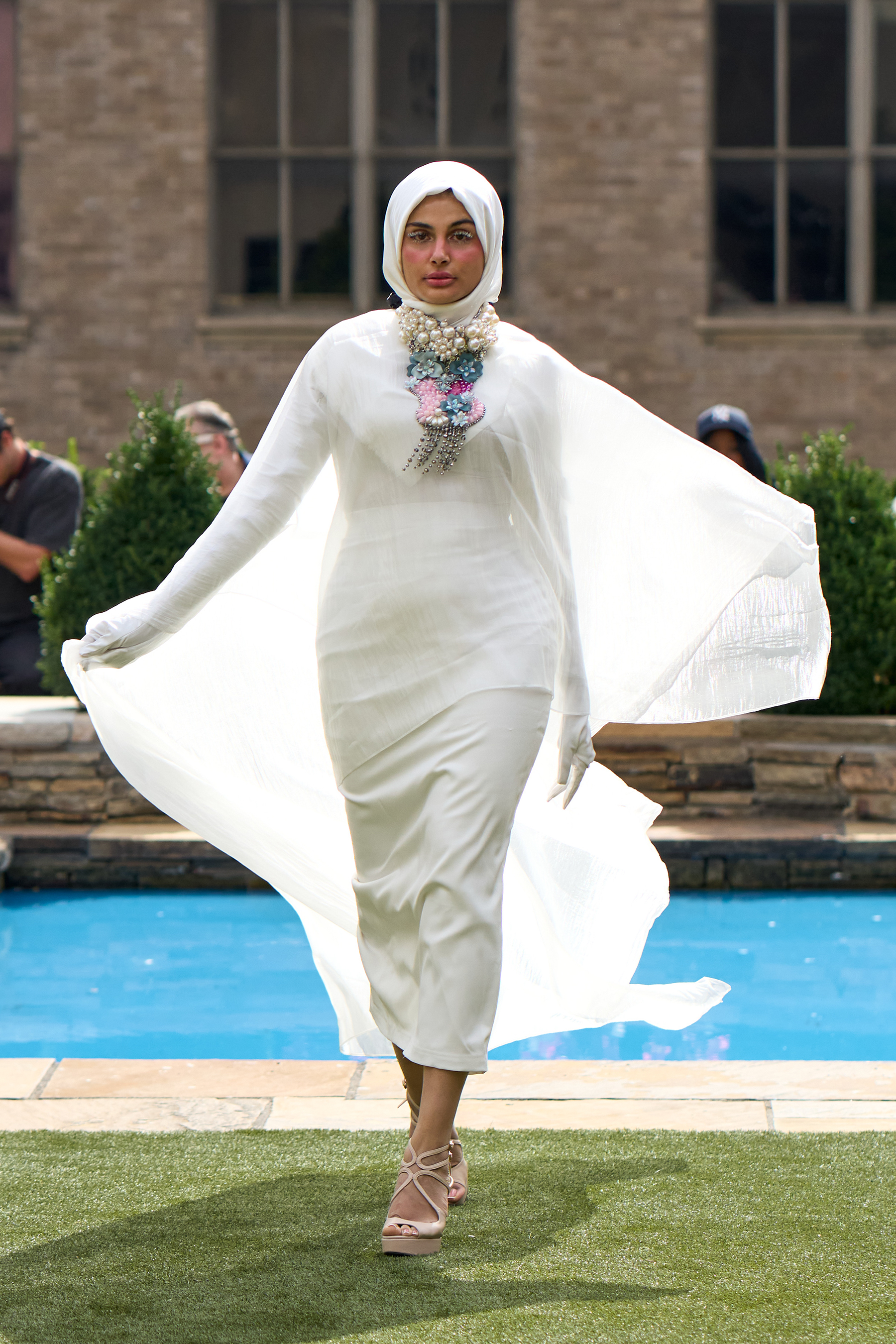
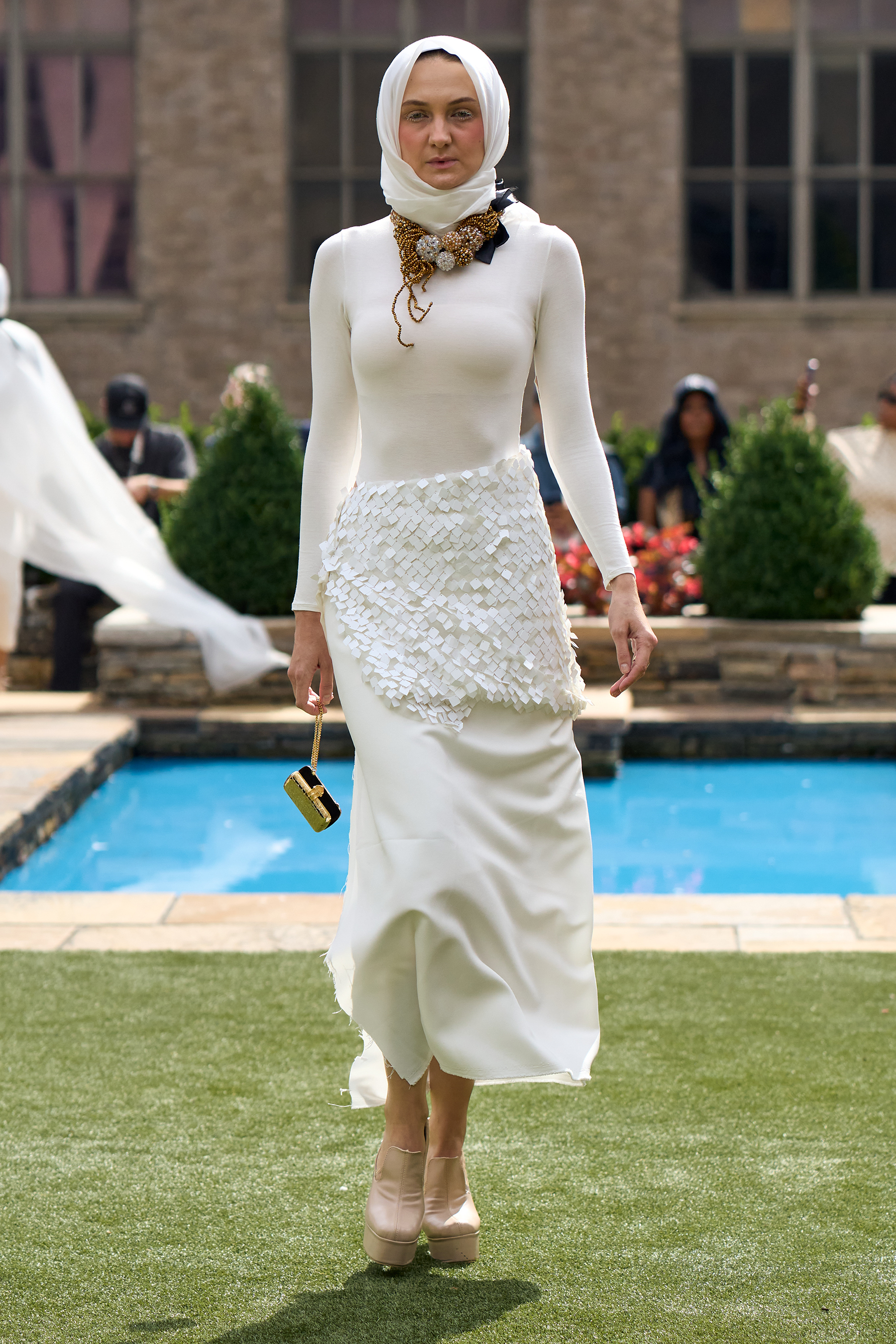
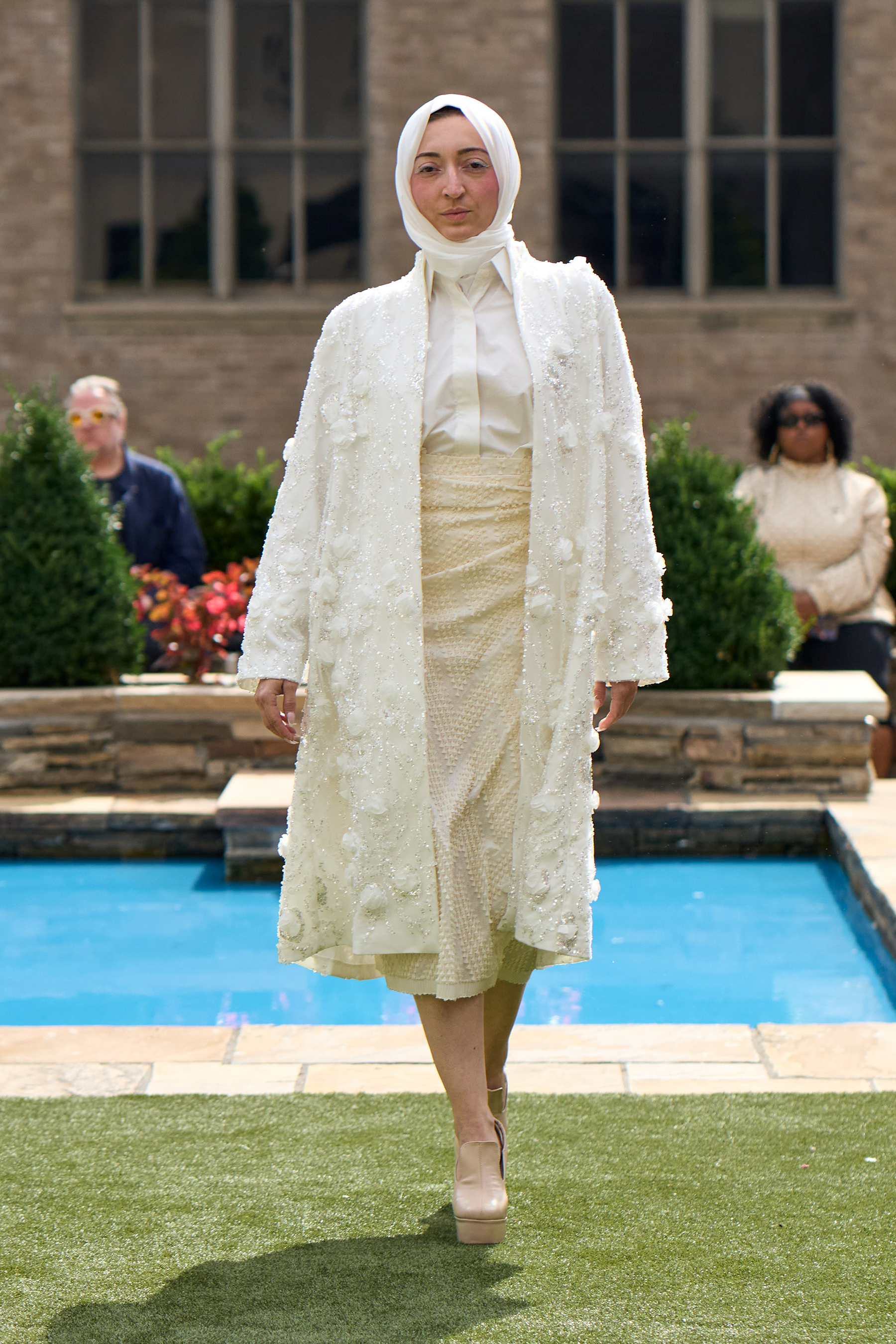
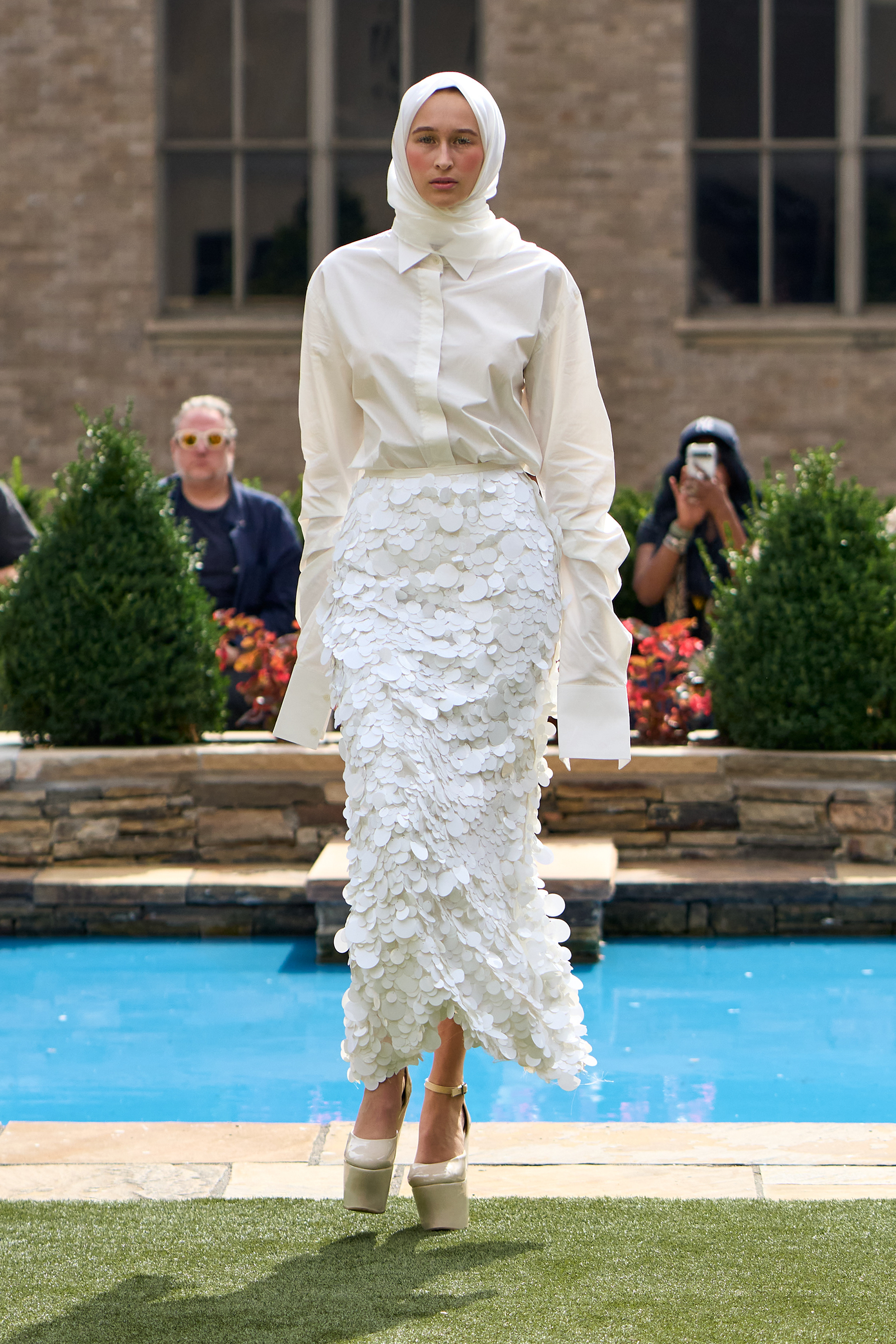
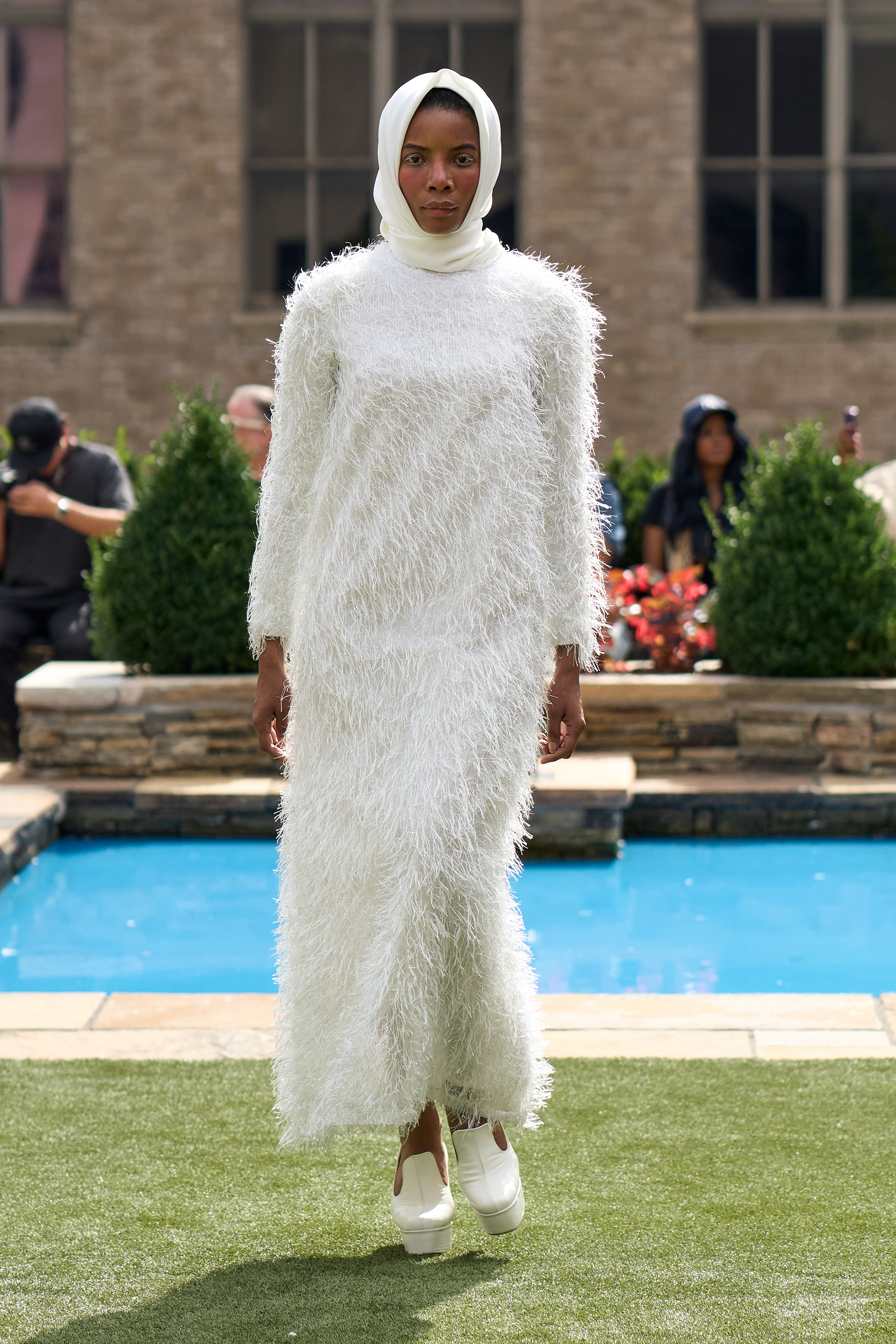
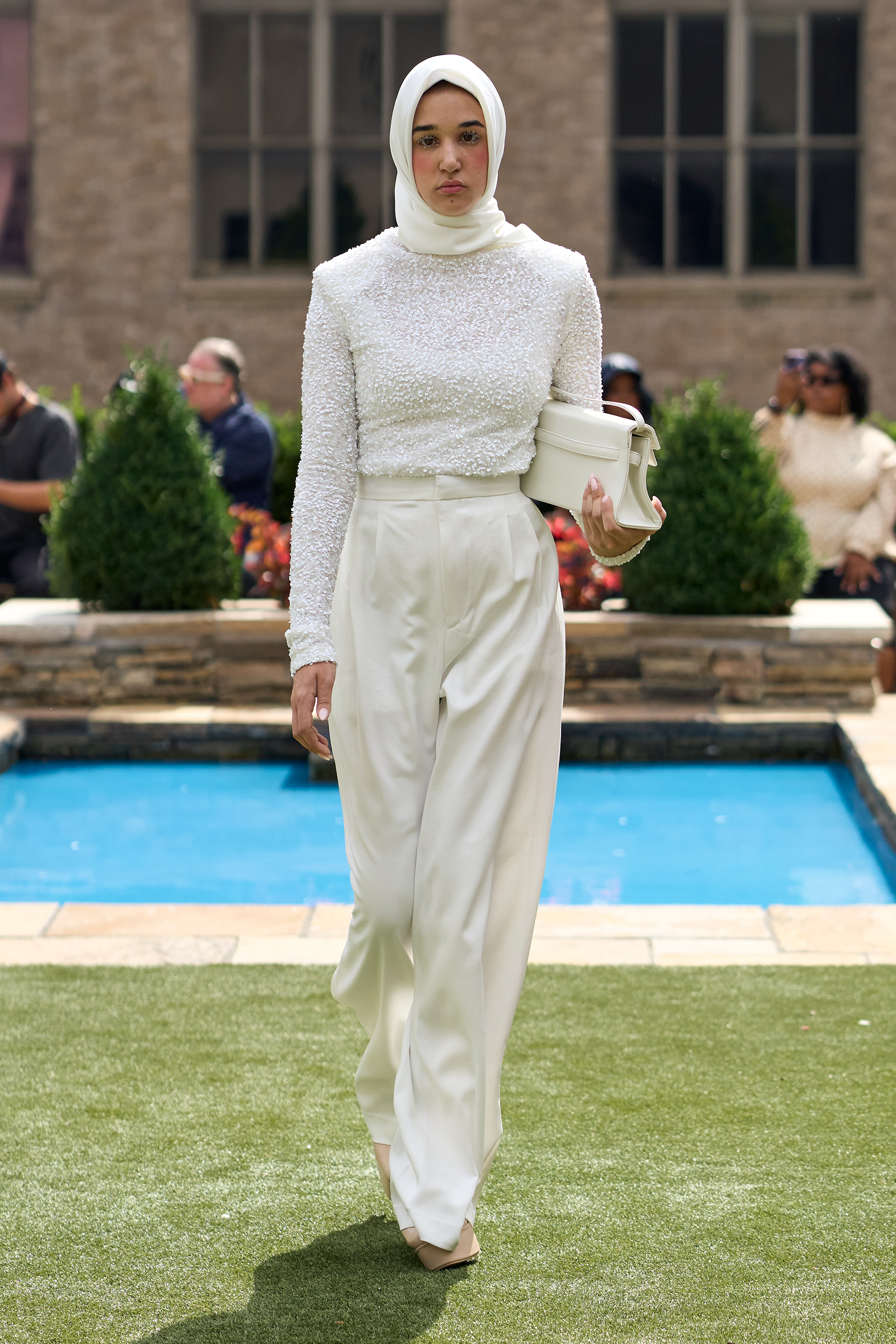
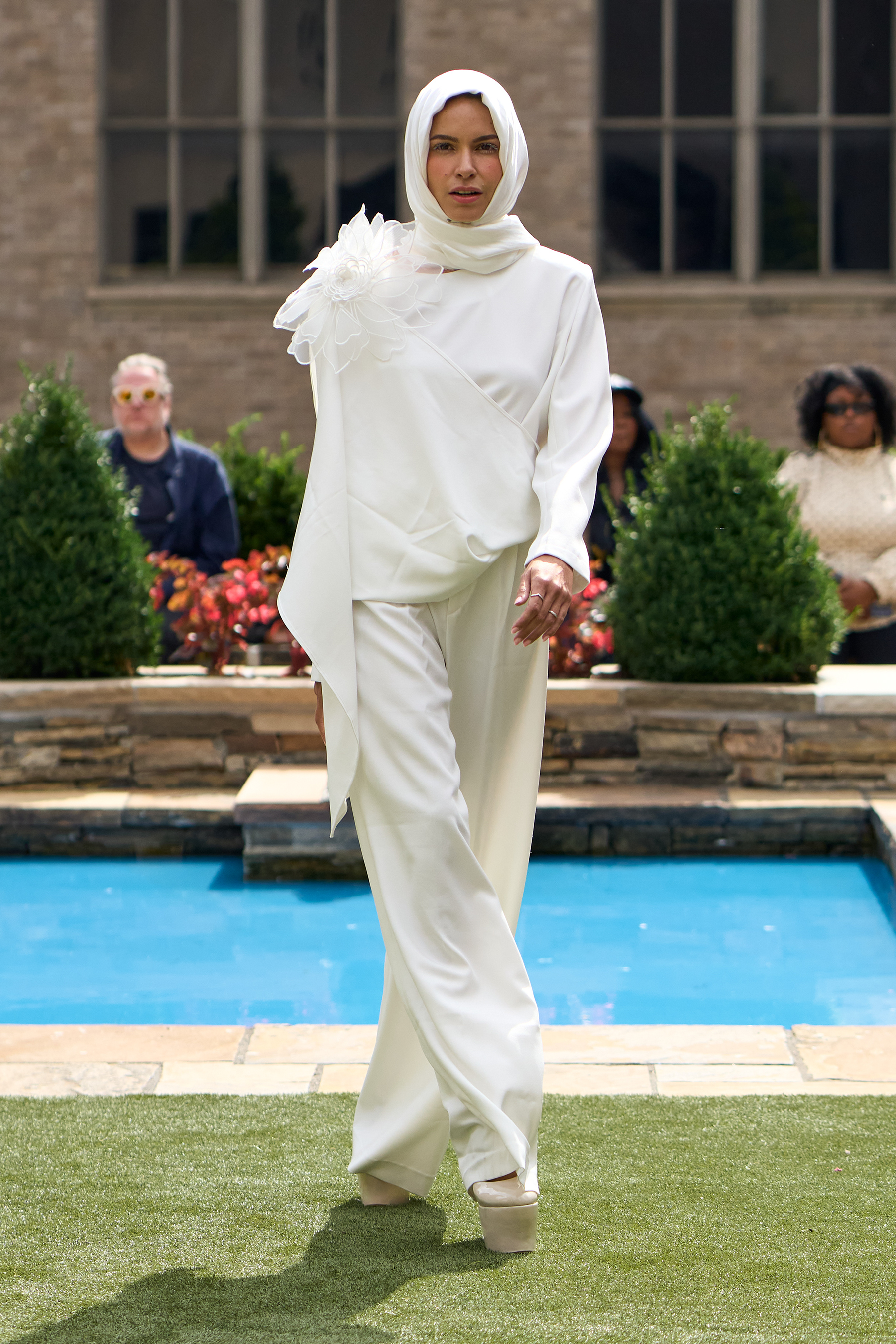
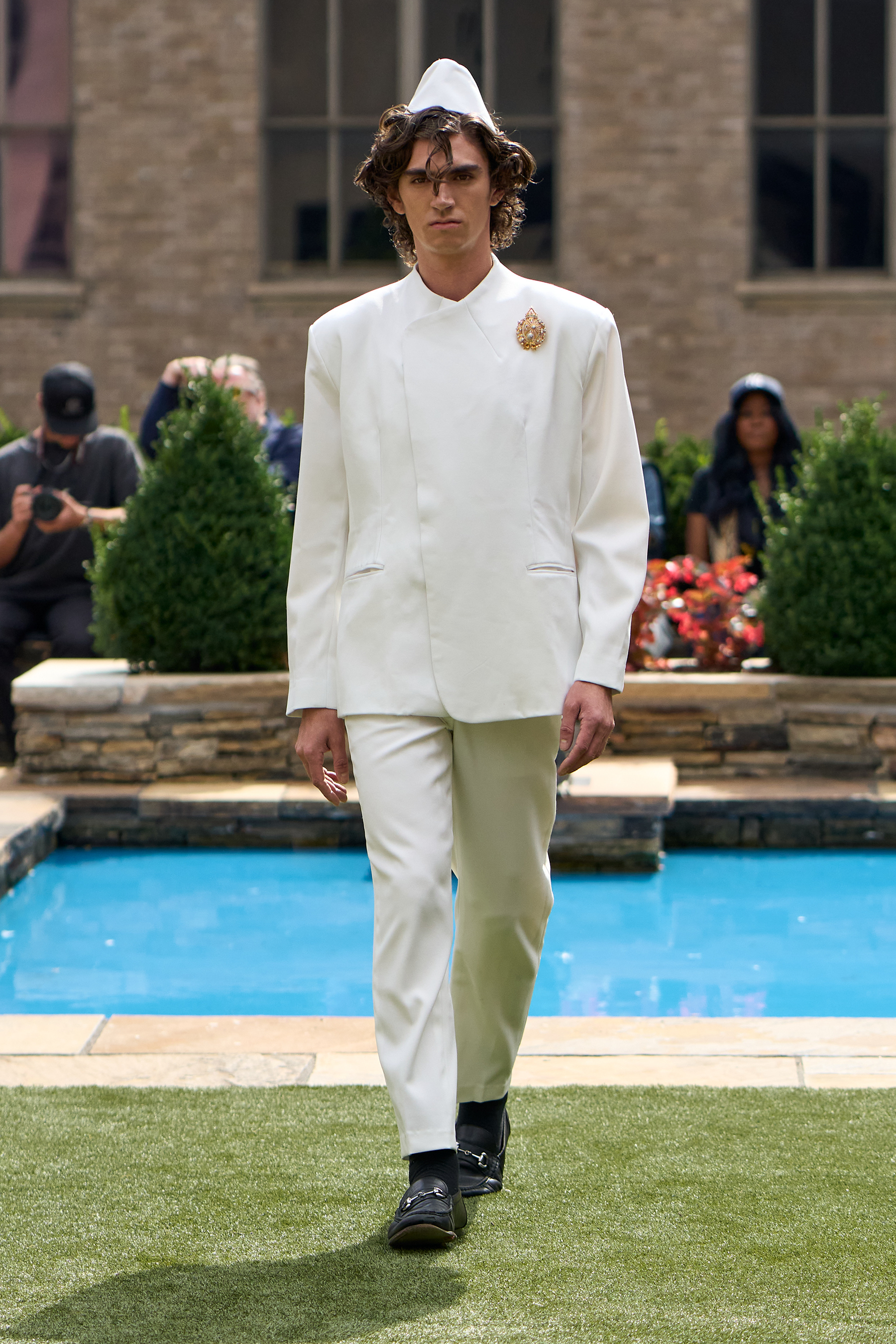
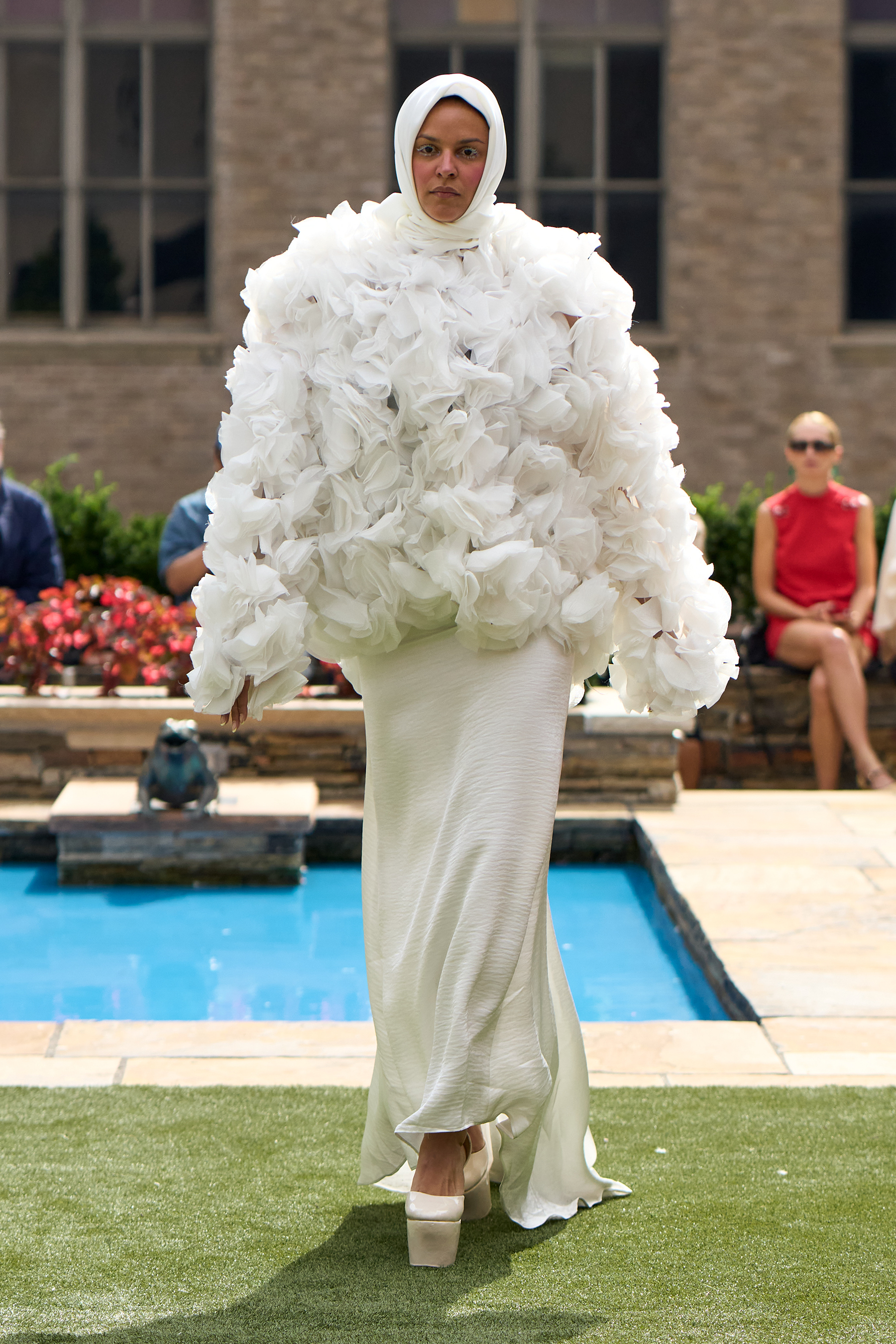
For its second NYFW presentation, following a February debut, Modest Now featured Fatimah, the Spring/Summer 2027 collection by Agni by Vita Bayu Putri x A D I T H. The collection took its cue from “Traces of Time in a Fabric,” a theme concerned with the character materials acquire through age and experience. On the runway, that idea was expressed through a tightly controlled palette of soft, off-white tones, including a shade the label calls Cloud Dancer.
The effect was immediately striking. With color largely removed from the equation, the eye went to the shapes, the movement of the fabric, and the way one look related to the next. The finale ensemble, in particular, showed the strength of that restraint: it made a memorable image without needing a dramatic change in palette to announce itself.
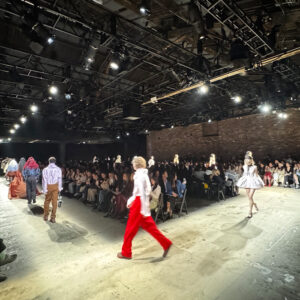
But a monochromatic show asks a great deal of the clothes. When nearly every look occupies the same shade, differences in silhouette, texture, and detail have to carry the creative argument. Here, the consistency that made the presentation so effective in photographs also made parts of the runway feel a little too much alike. The off-white was a compelling starting point; a broader range of ideas within it might have given the collection more to say.
A more immediate problem was the footwear. Nearly every model appeared to stumble or fall, and the repeated difficulty became impossible to ignore. A runway should give an audience the chance to watch garments move and to appreciate how they sit on the body. Instead, attention kept shifting to whether the next model would make it safely down the runway. Whatever the shoes contributed visually, they were a poor choice for this presentation, and the distraction did the collection no favors.
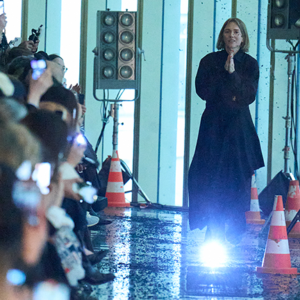
Those shortcomings matter because Modest Now’s larger proposition is persuasive. Co-founders Dina Barber-Eski, a creative director and fashion industry veteran, and Fatima Younus, an author and strategist, established the platform to give modest designers a sustained presence in mainstream fashion. Their stated aim reaches beyond a show during Fashion Week to editorial exposure, industry access, and commercial opportunities that could help designers build lasting businesses.
It is a welcome ambition, particularly for a category too often treated as though it speaks in one visual language. Modest design can draw on heritage, personal conviction, contemporary luxury, or any combination of the three. Giving designers a prominent New York stage is one way to make that range more visible. This season’s presentation, supported by Muslimi, also raised a useful question: what happens after the runway lights go down? For a platform promising lasting opportunity, the introductions made during Fashion Week will matter as much as the images made on it.
Fatimah supplied some of those images. Its pale palette gave the show a distinct identity, and the finale demonstrated how powerful that choice could be. Yet the repetition and the troubled walk kept the collection from making its fullest impression in person.
Modest Now has a worthwhile place in the NYFW conversation, and this show made clear why its designers should be judged on the same terms as anyone else presenting a collection: by the strength of the clothes, the clarity of the ideas, and the care taken in bringing them to the runway.